Ser propietario de un vehículo recreativo en Texas abre un sinfín de posibilidades para la aventura, desde acampar en la costa de Padre Island hasta explorar los escarpados paisajes de Big Bend. Pero antes de salir a la carretera, es importante comprender... Costos del seguro para vehículos recreativos Es fundamental para proteger su inversión y cumplir con las leyes estatales.
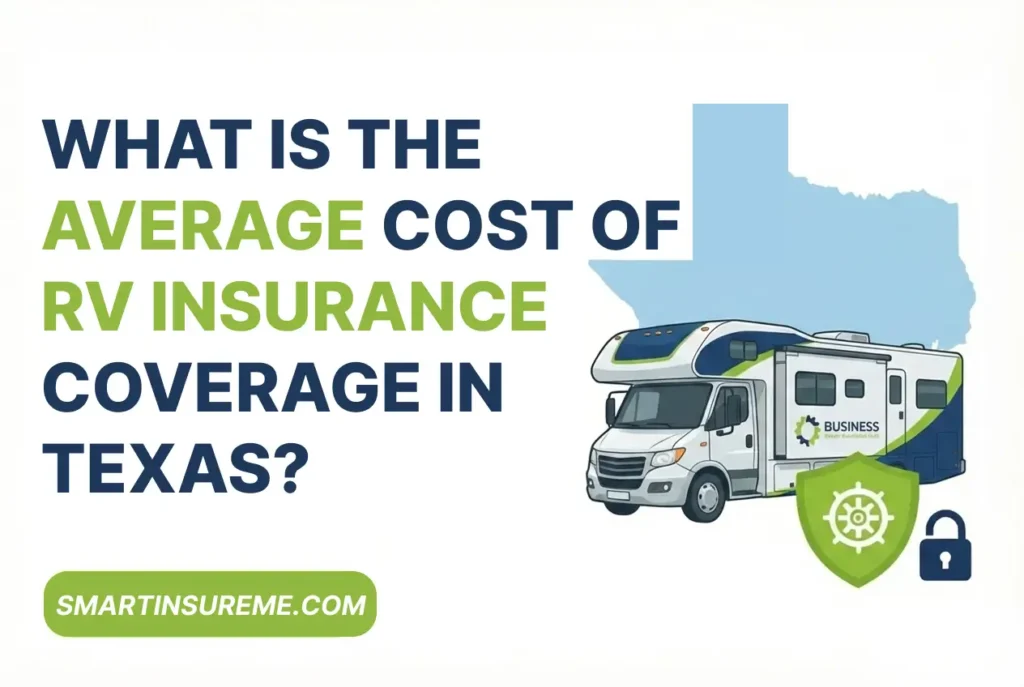
Entonces, ¿cuánto cuesta realmente el seguro para autocaravanas en Texas? Analicemos las cifras reales y qué factores influyen en la prima.
Costo promedio del seguro para vehículos recreativos en Texas
La mayoría de los propietarios de vehículos recreativos en Texas pagan entre $1.000 y $2.000 anualmente para la cobertura estándar de vehículos recreativos. Sin embargo, esta cifra no es definitiva: el costo real depende de varios factores específicos de su situación.
Los datos de la Asociación Nacional de Comisionados de Seguros (NAIC) muestran que Texas se ubica en un rango moderado en cuanto a precios de seguros para vehículos recreativos a nivel nacional. Obtendrá mejores tarifas que en estados con precios elevados, aunque pagará un poco más que en algunas zonas rurales con poco tráfico.
Aquí te mostramos cuánto suelen costar asegurar los diferentes tipos de autocaravanas:
- Remolques plegables y de viaje: $500–$1.200 anuales
- Remolques de quinta rueda: $800–$1.500 anuales
- Autocaravanas de clase C: $1.200–$2.500 anuales
- Autocaravanas de clase A: $2,000–$4,000+ anuales
- Autocaravanas de clase B: $1.000–$2.000 anuales
Estas cifras representan promedios. Su prima específica reflejará el valor de su autocaravana, su antigüedad y el uso que planea darle.
Si remolcas en lugar de conducir tu vehículo, verifica Requisitos de seguro para remolques de viaje en Texas por diferencias de cobertura
Factores clave que determinan su prima
Tipo y valor de su autocaravana
El factor que más influye en el costo es el tipo de vehículo que se asegura. Una autocaravana de lujo de Clase A, valorada en 14200 000 €, tiene un costo de seguro considerablemente mayor que una caravana usada de precio moderado, valorada en 148000 €. Las aseguradoras evalúan los costos de reemplazo, los gastos de reparación y la probabilidad de robo al calcular las primas.
En Texas, el seguro para autocaravanas suele ser más caro que el seguro para caravanas, ya que las autocaravanas combinan los riesgos propios de un vehículo con los riesgos asociados a una vivienda. Son, en esencia, casas sobre ruedas con motores, electrodomésticos y sistemas complejos que requieren protección.
Los patrones de uso importan.
Las escapadas de fin de semana para acampar conllevan riesgos diferentes a los de vivir permanentemente en una autocaravana. En Texas, el seguro para autocaravanas a tiempo completo requiere una cobertura ampliada, ya que su vehículo recreativo se considera su residencia permanente. Necesitará límites de responsabilidad civil más altos, además de protecciones similares a las de las pólizas de seguro de vivienda, incluyendo la cobertura de bienes personales y los gastos de alojamiento temporal si su autocaravana se vuelve inhabitable.
La Asociación de la Industria de Vehículos Recreativos (RVIA) estima que aproximadamente 1 millón de estadounidenses viven permanentemente en vehículos recreativos. Si este es su caso, espere primas de seguro entre 15 y 301 TP3T más altas que las de los usuarios ocasionales debido a la exposición constante.
Selección de cobertura
En Texas, los vehículos recreativos motorizados requieren seguro de responsabilidad civil, pero los propietarios precavidos contratan cobertura adicional. La mayoría de quienes financian vehículos recreativos nuevos incluyen cobertura integral y contra colisiones para proteger completamente su inversión.
- Cobertura de responsabilidad civil Cubre los daños que causes a terceros: gastos médicos, reparaciones de vehículos o daños a la propiedad. Los mínimos en Texas son de 15000 dólares por persona para lesiones, 15000 dólares por accidente y 15000 dólares por daños a la propiedad. Muchos expertos recomiendan tener límites de 100/300/1000 dólares, considerando los costos actuales de atención médica y reparaciones.
- Cobertura integral Cubre problemas que no son por colisión: robo, vandalismo, daños por granizo, incendio y colisiones con animales. Agregar esta cobertura generalmente aumenta su prima anual entre $200 y $600, pero protege contra los riesgos comunes de las casas rodantes.
- Cobertura de colisión Cubre los daños por accidente, ya sea que choques con otro vehículo o golpees accidentalmente una rama baja. Esto generalmente agrega entre $300 y $800 al año, dependiendo de la franquicia que hayas elegido.
Ubicación geográfica
Tu ubicación específica en Texas influye en las tarifas. Las regiones costeras con riesgo de huracanes suelen tener primas de seguro a todo riesgo más altas, mientras que las zonas urbanas con mucho tráfico pueden tener costos de seguro por colisión elevados. Los índices de criminalidad locales y los datos históricos de siniestros también afectan los precios en tu zona.
Los vehículos recreativos almacenados cerca del agua también deben tener en cuenta Costos del seguro contra inundaciones en Texas.
Coberturas adicionales valiosas
Varias coberturas opcionales ofrecen un valor significativo sin aumentar drásticamente los costos:
- Asistencia en carretera Resulta invaluable cuando surgen problemas mecánicos lejos de casa. Por $50–$150 anuales, obtienes remolque, entrega de combustible, cambio de neumáticos y reparaciones de emergencia. Dado que el remolque especializado de vehículos recreativos puede costar $5–$10 por milla, esta cobertura se amortiza rápidamente.
- Responsabilidad por vacaciones Te ofrece protección adicional cuando estás estacionado en un camping. Si alguien tropieza con tu equipo o se lastima en tu parcela, estás cubierto.
- Protección de pertenencias personales Asegura artículos como aparatos electrónicos, ropa y equipo de camping. Las pólizas estándar ofrecen una cobertura limitada, así que considere aumentarla si lleva objetos de valor.
- Cobertura de accesorios adjuntos Protege los accesorios adicionales como toldos, paneles solares, portabicicletas y sistemas satelitales que no estén fijados permanentemente a su autocaravana.
Estrategias para encontrar una cobertura asequible
Compara varias cotizaciones de seguros para vehículos recreativos en Texas.
Nunca acepte el primer presupuesto que reciba. Contacte al menos a tres aseguradoras especializadas en vehículos recreativos. Progressive, Geico, National General y Good Sam se encuentran entre las mejores aseguradoras de vehículos recreativos en Texas, y cada una ofrece ventajas distintivas y precios competitivos.
Agrupa tus pólizas
Combinar el seguro de tu autocaravana con tus pólizas de auto o de hogar existentes suele generar descuentos por pólizas múltiples de entre el 10 % y el 25 % (TP3T). Pregunta a todas las aseguradoras sobre las opciones de paquetes combinados.
Ajusta tu deducible
Aumentar su deducible de $500 a $1,000 reduce significativamente las primas. Solo asegúrese de poder afrontar cómodamente el mayor costo de bolsillo si fuera necesario presentar una reclamación.
Aprovecha al máximo los descuentos disponibles.
Las compañías de seguros ofrecen numerosas oportunidades de descuento:
- Finalización del curso de seguridad para vehículos recreativos
- Instalación de dispositivos antirrobo
- Historial de conducción impecable
- membresías de clubes de vehículos recreativos
- Instalaciones de almacenamiento seguras
- Pagos de primas anuales
- Bajo kilometraje de uso
Considere la cobertura estacional.
Si solo usa su autocaravana durante ciertos meses, pregunte sobre la cobertura de almacenamiento o inactividad. Esta protección reducida durante los períodos de inactividad puede reducir los costos entre 30 y 50 TP3T cuando su autocaravana permanece sin usar.
Cómo encontrar opciones de seguros locales
Ya sea que busque seguro para vehículos recreativos en Orange, Texas, Bridge City, Texas, o cobertura en las principales ciudades, los agentes locales independientes le ofrecen una valiosa experiencia. Tienen acceso a múltiples aseguradoras y comprenden los requisitos específicos de Texas, lo que garantiza que obtenga la cobertura adecuada sin lagunas ni costos excesivos.
Las herramientas de comparación en línea ofrecen presupuestos iniciales rápidos, pero hablar de sus necesidades con agentes expertos a menudo revela descuentos u opciones de cobertura que se han pasado por alto y que se adaptan mejor a su situación.
Cómo tomar decisiones inteligentes sobre la cobertura
Mientras Seguro para vehículos recreativos en Texas El costo promedio anual para la mayoría de los propietarios es de entre 1000 y 2000 dólares. Su costo específico dependerá del tipo de vehículo recreativo, el uso previsto, las coberturas seleccionadas y otros factores personales. La póliza adecuada protege tanto su inversión financiera como su libertad para explorar sin preocupaciones constantes.
No dejes que los presupuestos iniciales elevados te desanimen. Con una investigación adecuada y comparando precios, encontrarás... Seguro de autocaravana asequible en Texas que ofrece una protección sólida. Empiece por recopilar varios presupuestos, explicar claramente sus patrones de uso de la autocaravana y preguntar a cada proveedor sobre los descuentos aplicables.
Tu vehículo recreativo representa libertad, aventura y experiencias inolvidables por venir. Contar con la cobertura de seguro adecuada garantiza que esas experiencias sigan siendo positivas, incluso cuando surgen imprevistos en las carreteras de Texas o en campamentos remotos.
Si ahora se toma el tiempo para comprender los costos del seguro para vehículos recreativos y las opciones de cobertura, pasará menos tiempo preocupándose y más tiempo disfrutando de todo lo que Texas tiene para ofrecer desde el volante de su casa sobre ruedas.